

Asian Dating Etiquette & Gift-Giving Guide for Western Men in 2026
A thoughtful gift at the right moment can deepen a cross-cultural connection faster than months of casual conversation - but the wrong gift can unintentionally offend, embarrass, or signal disrespect. In Asian dating, etiquette is not a formality; it is the primary language through which sincerity, commitment, and cultural awareness are communicated. Understanding what to give, when to give it, and how to present it demonstrates that you value her heritage - and that separates serious partners from casual browsers.
Across the 33 Asian nationalities represented on Date 2 Day Asians, gift-giving customs vary dramatically. A red envelope that delights a Chinese woman could confuse a Filipino woman. Flowers that are perfect for a first date in Seoul may carry funeral associations in Phnom Penh. Numbers, colors, wrapping styles, and even which hand you use to present a gift all carry cultural meaning that your partner will notice - even if she never mentions it.
This guide provides a country-by-country breakdown of gift-giving do's and don'ts, first-date etiquette essentials, and practical strategies for earning her family's respect through culturally appropriate gestures. Whether you are preparing for your first video call gift delivery or packing for an in-person meeting, these insights will help you navigate each moment with confidence.
Key Takeaway: The best gifts in Asian dating are not the most expensive - they are the most culturally thoughtful. A $15 gift that shows you researched her traditions will outperform a $200 generic item every time. Etiquette is your proof of effort, and effort is the most attractive quality a Western man can demonstrate.
Gift-Giving Customs Across Asian Cultures
Each country has distinct rules around what constitutes an appropriate romantic gift. Here is what you need to know about the cultures most represented on our platform, so you can avoid missteps and make a lasting impression.
Japan: Precision, Presentation, and Subtlety
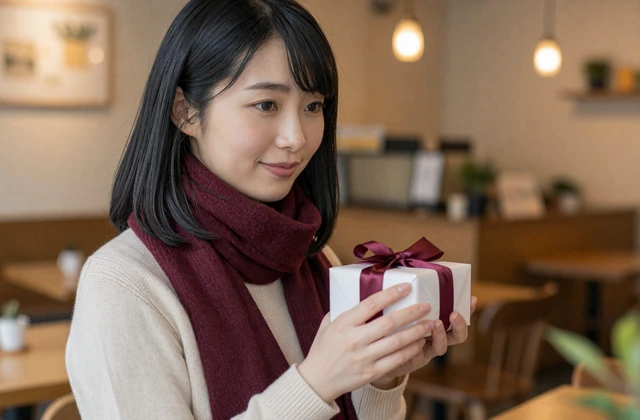
Japanese women place enormous value on the presentation of a gift - sometimes more than the gift itself. Wrapping paper, ribbons, and the neatness of the package communicate your attention to detail. High-quality sweets from your home region, seasonal treats (wagashi-style confections), or a beautifully packaged item from a department store are ideal early-relationship gifts.
Avoid: Sets of four items (the number four, shi, sounds like the word for death). White flowers, especially lilies and chrysanthemums, carry funeral associations. Overly personal items like perfume or clothing in early dating stages can feel presumptuous.
Best choices: Specialty chocolates, seasonal fruit, quality stationery, or a small item unique to your hometown. Always present with both hands and a slight bow.
South Korea: Couple Culture and Thoughtful Gestures
Korean dating culture revolves around shared experiences and "couple items." Matching phone cases, jewelry, or accessories signal commitment and are genuinely appreciated. On milestone dates - 100 days, 200 days, 1 year - small but meaningful gifts are expected. Korean women also appreciate luxury skincare products, as Korea leads the global beauty industry.
Avoid: Red ink pens (writing a name in red signifies death in Korean culture). Gifts in sets of four. Shoes as gifts - they symbolize your partner walking away from you.
Best choices: Premium Korean skincare sets, couple accessories, high-quality scarves, or tickets to cultural events. Flower bouquets are always welcome, especially roses and tulips.
Philippines: Warmth, Generosity, and Family Inclusion
Filipino culture emphasizes pasalubong - the tradition of bringing gifts when you visit someone. When meeting your Filipino partner or her family, arriving with food, sweets from your country, or practical gifts for the household wins immediate affection. Filipino women appreciate the sentiment behind a gift more than its price tag.
Avoid: Overly flashy or expensive gifts early on, which can create an uncomfortable sense of obligation. Black gift wrapping.
Best choices: American chocolates, imported snacks, perfume (accepted and loved in Filipino culture), clothing, and - importantly - something for her mother. Bringing a small gift for her parents is a powerful trust signal.
Vietnam: Modesty, Symbolism, and Family First
Gift-giving in Vietnam reflects the Confucian values of modesty and respect. Expensive, showy gifts in early dating can make a Vietnamese woman uncomfortable, as they may imply a transactional dynamic. Instead, thoughtful, modest presents demonstrate sincerity. Fruits, imported sweets, or quality tea are highly appreciated when visiting her home.
Avoid: Black or white wrapping paper (associated with mourning). Handkerchiefs (symbolize tears and separation). Sharp objects like knives (symbolize severing the relationship).
Best choices: Quality fruit baskets, flowers (especially yellow - symbolizing prosperity), tea, or branded skincare. When visiting family, bring gifts for her parents first.
Cambodia: Respect, Simplicity, and Khmer Traditions
Cambodian women value sincerity and respect above material generosity. Khmer culture emphasizes humility, and gifts should reflect genuine thought rather than extravagance. Food, particularly sweets and fruit, is universally appropriate. When visiting her family, bringing a gift for the household rather than just your partner shows cultural awareness.
Avoid: White flowers (funerary connotation). Gifts wrapped in white or black. Overly intimate items early in the relationship.
Best choices: Imported chocolates, quality fruit, clothing for her younger siblings or parents, and practical household items when visiting family.
Mongolia: Hospitality and the Open Hand
Mongolian women come from a culture of deep hospitality rooted in nomadic traditions. When visiting a Mongolian home, you will be offered food and drink - always accept with your right hand or both hands. Bringing gifts of quality food, dairy products, or something from your homeland is warmly received.
Avoid: Pointing at anyone with a finger when presenting a gift. Stepping on the threshold of a ger (traditional dwelling). Turning down offered food or drink.
Best choices: Quality sweets, specialty items from your country, warm clothing accessories (scarves, gloves), or small electronics. Vodka is acceptable as a gift when visiting family.
Gift-Giving Do's and Don'ts When Dating Asian Women
While each country has unique customs, these universal principles apply across nearly every Asian culture and will keep you safe in any gift-giving situation:
✅ Do
- Present gifts with both hands - it shows respect across all Asian cultures
- Wrap gifts neatly; presentation matters as much as content in East Asia
- Bring something for her parents or family, not just her
- Choose gifts that show you researched her specific culture
- Use red or gold wrapping paper in Chinese and Vietnamese cultures (symbolizes luck)
- Start modest and increase gift value as the relationship deepens
- Include a handwritten note - even a short one creates emotional impact
❌ Don't
- Give gifts in sets of four in East Asian cultures (4 = death)
- Use white or black wrapping paper (funeral associations in many countries)
- Give sharp objects like knives or scissors (symbolize cutting the relationship)
- Write names in red ink (death connotation in Korea and parts of China)
- Give clocks in Chinese culture (sòng zhōng sounds like "attending a funeral")
- Give shoes in Korean culture (symbolizes your partner leaving you)
- Overwhelm with expensive gifts early - it can feel transactional or create pressure
First Date Etiquette Comparison by Country
Your first date - whether in person or over video chat - sets the tone for the entire relationship. Every culture has unspoken rules about greetings, who pays, appropriate conversation topics, and dress code. This comparison covers the six most popular dating cultures on our platform:
| Country | Greeting Style | Who Pays | Appropriate Topics | Dress Code |
|---|---|---|---|---|
| Japan | Slight bow; handshake if she initiates | Man pays first date; she may offer to split later | Hobbies, travel, food, seasons - avoid salary questions | Smart casual; clean, well-pressed clothing |
| Philippines | Warm smile, light handshake or cheek touch | Man is expected to pay fully | Family, dreams, faith, daily life - she values openness | Casual but neat; collared shirt appreciated |
| South Korea | Slight bow or wave; hugs after closer bond | Man typically pays; "going Dutch" growing among younger couples | K-culture, food, career goals - avoid age/weight questions | Trendy, well-groomed; Koreans notice fashion details |
| Vietnam | Gentle handshake with both hands; warm smile | Man pays; she may quietly offer but expects you to insist | Family, hometown, food, aspirations - avoid politics | Modest, clean, collared shirt; avoid overly casual wear |
| Thailand | Wai greeting (palms together); light handshake acceptable | Man pays; generosity reflects character in Thai culture | Travel, Thai cuisine, hobbies - avoid criticizing the monarchy | Clean and presentable; Thai women notice grooming |
| Cambodia | Sampeah gesture (palms together); gentle smile | Man is expected to pay for everything | Family, her studies, Khmer culture - avoid war/politics | Modest, respectful; covering shoulders and knees near temples |
Meet Women Who Value Cultural Respect and Sincerity

Sakura

Maria

Linh

Soo-Jin

Araya

Priya

Aiko
Showing Respect to Her Family: What You Need to Know
In nearly every Asian culture, your relationship with her family is your relationship with her. Unlike many Western courtship dynamics where parents are introduced later, Asian dating often involves family awareness - and sometimes participation - from early stages. Here is how to earn their trust:
Tip: Learn the correct way to address her parents in her language. In Thai culture, use Khun Mae (mother) and Khun Paw (father). In Vietnamese, Bác or Chú for father and Bác Gái or Cô for mother depending on their age relative to your partner's parents. This small effort creates outsized emotional impact.
When meeting her family - whether in person or on a video call - bring or send gifts for her parents first, then for siblings. In Filipino culture, greeting elders with mano po (touching the back of their hand to your forehead) shows deep respect. In Korean families, pouring drinks for elders with two hands and waiting for the eldest to eat first are essential table manners. In Cambodian homes, removing your shoes before entering and sitting lower than elders demonstrates cultural awareness.
Consistency is more important than grand gestures. Families judge a Western partner not by a single impressive visit, but by sustained effort over months. Sending holiday greetings, remembering birthdays, asking about her parents' health during video calls, and following through on promises - these small, repeated acts build the trust that leads to full family acceptance. On our platform, 82% of couples report that family support strengthened after 6 to 12 months of consistent, respectful engagement.
Finally, understand that some families may initially be cautious about an international relationship. This is not rejection - it is protective love. Patience, humility, and visible commitment to their daughter's well-being are the universal keys that unlock family acceptance across every Asian culture.
Colors, Numbers, and Symbols That Matter in Asian Gift Culture
Beyond the physical gift, the symbols wrapped around it carry powerful meaning. Here are the most important cultural signals to know:
- Red: Universally positive across East and Southeast Asia - symbolizes luck, prosperity, and celebration. Use red wrapping paper, red envelopes, or red ribbons for Chinese, Vietnamese, and Korean partners.
- White: Associated with mourning and funerals in China, Vietnam, Korea, Japan, and Cambodia. Avoid white wrapping paper, white flowers (especially chrysanthemums), and predominantly white gift arrangements.
- Gold: Symbolizes wealth, success, and good fortune across Asia. Gold-accented packaging or small gold accessories are universally appreciated.
- Number 4: Unlucky in China, Japan, and Korea (si/shi sounds like "death"). Never give four items. Opt for pairs, sets of six, or eight (the luckiest number in Chinese culture).
- Number 8: Extremely lucky in Chinese culture - the Beijing Olympics started on 08/08/08 at 8:08 PM. Gifts in eights signal positive intentions.
- Flowers: Yellow roses signify friendship in Western culture but can imply jealousy in some Asian contexts. Lotus flowers symbolize purity across Buddhist cultures. Marigolds are auspicious in Indian and Nepali traditions. Research her country's flower meanings before sending a bouquet.
- Wrapping: In Japan, the art of furoshiki (wrapping gifts in cloth) is deeply appreciated. In most Asian cultures, the effort put into wrapping directly reflects the respect you have for the recipient.
Summary: Mastering Asian dating etiquette is not about memorizing a rulebook - it is about demonstrating that you care enough to learn. The Western men who succeed in cross-cultural relationships are those who ask questions, do their research, and approach every cultural difference with curiosity rather than confusion. A $10 gift given with cultural awareness will always mean more than a $500 gift given carelessly.
Gift-Giving and Etiquette FAQ
For early-stage online dating, spend between $15 and $40 on thoughtful gifts. The value is in cultural appropriateness, not price. A beautifully wrapped box of specialty chocolates from your region or a quality skincare item shows more effort than an expensive generic gift. As the relationship deepens and you meet in person, gift budgets can naturally increase - but thoughtfulness always outweighs cost.
Yes, arranging flower delivery for a first video date is a powerful gesture that sets you apart immediately. Use a local florist in her city through online delivery services. Choose culturally safe options: roses and tulips are universally appreciated across Asia. Avoid white flowers in East and Southeast Asian countries due to funeral associations. Include a simple note in her language for extra impact.
Always bring gifts for her parents - not just for your partner. Quality fruit, imported sweets, tea, or specialty food from your home country are safe across all Asian cultures. In South and Southeast Asia, bringing enough for the extended family present shows generosity. In East Asia, premium packaged goods from well-known brands signal respect. Present all gifts with both hands and a warm greeting.
Quality chocolates, premium tea, specialty food items from your home region, and well-packaged skincare products are safe choices across virtually every Asian culture. Avoid items in sets of four, sharp objects, clocks, and anything wrapped in white or black. When in doubt, food-based gifts are the safest universal choice because sharing food is a bonding ritual across all Asian societies.
Ask her directly. Saying something like I want to send you something special but I want to make sure I choose something meaningful in your culture is one of the most attractive things a Western man can say. It shows respect, humility, and genuine interest. Most women are delighted to guide you. You can also ask our platform support team for country-specific gift recommendations.
In Korean dating culture, the 100-day anniversary is a significant milestone that warrants a gift. In most other Asian cultures, key holidays matter more than day-count milestones. Mark Lunar New Year for Chinese, Vietnamese, and Korean partners. Celebrate Songkran for Thai partners and Christmas for Filipino partners. Remembering her birthday and her parents birthdays also builds enormous goodwill and trust.